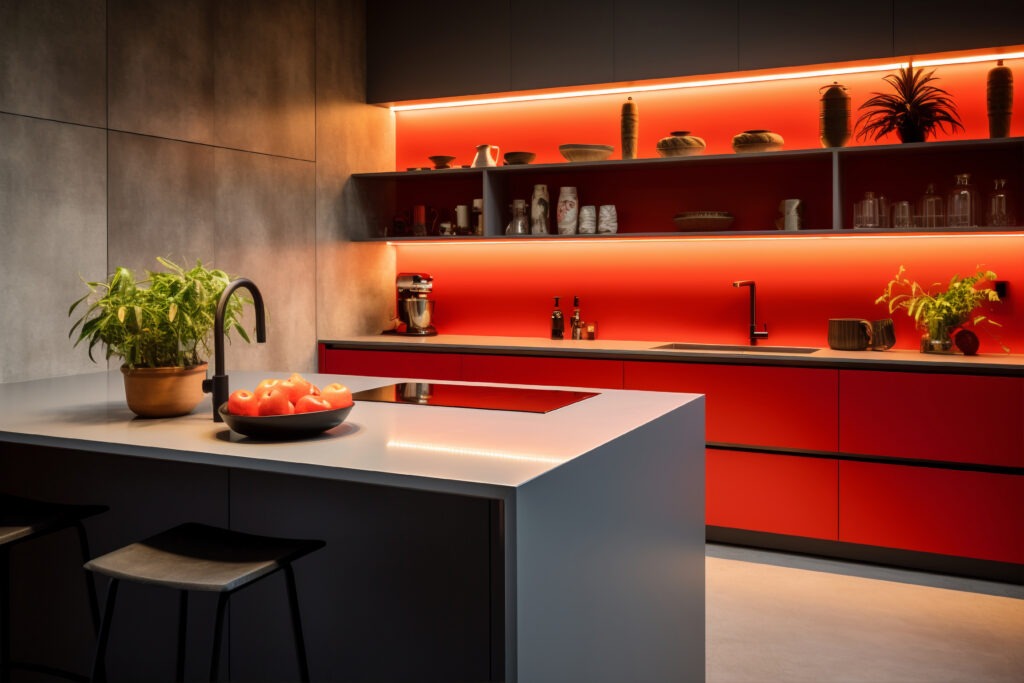

Designing a kitchen is more than choosing colours or layouts. One of the most important decisions is selecting the right modular kitchen material, as it directly affects durability, appearance, and maintenance. Kitchens are exposed to heat, moisture, stains, and constant use, so materials must be practical as well as visually appealing. Choosing wisely helps ensure that cabinets, shelves, and doors last for years. Homeowners often consult kitchen interior designers in Bangalore to identify materials that suit their space, budget, and daily cooking needs.
Consider durability and moisture resistance
Kitchens are places that get used daily and rigorously. Cabinets and surfaces must withstand heat, water, and weight. The cabinet’s base structure must therefore be sturdy and water-resistant. While traditional material choices, such as wood, may offer a premium look, they have many limitations, like being vulnerable to moisture, pest infestations, heat, termites, and mould.
Stainless steel has emerged as the new standard for modern modular kitchens. The better durability and moisture resistance it offers solve the age-old issues of traditional wooden kitchens.
Here is why stainless steel is the better option when compared to common cabinet materials:
Stainless Steel:
A sturdy and durable material with better resistance to moisture, heat, and pests. Known for its strength, corrosion resistance, and long-term durability, it makes it ideal for modern kitchens. Unlike traditional materials, it stands as a better long-term investment, especially in Bangalore’s humid climate, which can lead to faster degradation of traditional materials such as wood and plywood due to warping, rotting, or pest infestations. In areas around sinks and cooking zones, stainless steel cabinets often perform better because they resist moisture, heat, and corrosion.
Other Materials:
While other common modular kitchen materials like plywood, wood, MDF (Medium Density Fiberboard), and HDMR board offer some qualities, they still have many drawbacks. When it comes to making a long-term investment, especially in places like Bangalore, their vulnerability to moisture, pests, and warping outweighs the pros. This is why most homeowners are making the switch to a more practical and long-lasting option, such as stainless steel kitchens.
Evaluate finish and visual appeal
The finishes have an important role in the overall appearance of a kitchen. They also affect the resistance to scratches and ease of cleaning.
Popular finishes include:
- PU (Polyurethane) finish: Offers a smooth, premium appearance with excellent durability and resistance to wear, making it ideal for elegant, modern kitchens.
- Stone finish: Delivers a natural, textured look that adds depth and character while maintaining the strength and hygiene of stainless steel.
- Glass finish: Provides a sleek, glossy surface that enhances light reflection and creates a contemporary, high-end appeal.
- Powder coat finish: Known for its toughness and resistance to scratches, corrosion, and fading. Perfect for long-lasting performance in busy kitchens.
- Wood finish: Combines the warmth and aesthetic of wood with the durability of stainless steel, giving a balanced modern-traditional look.
These finishes allow stainless steel modular kitchens to move beyond industrial aesthetics, offering versatile design options that blend seamlessly into contemporary and stylish home interiors.
Think about maintenance and daily use
Since kitchens are used daily, selecting the right modular kitchen material that is easy to clean can improve efficiency and reduce maintenance effort. Some of the major concerns to think about while choosing a material regarding maintenance are its durability, easy-to-clean surfaces, and whether it requires regular maintenance to keep the finish. Unlike wood and acrylic surfaces that may require constant attention, steel kitchens require minimal maintenance. They can be easily cleaned with daily wipes and remain new and fresh over time, making them a practical choice.
Balance budget and long-term value
Kitchen materials vary widely in cost. While budget is a crucial aspect, it’s important to consider longer-term benefits when selecting the material. Making investments in durable materials could help reduce the cost of repair or replacement in the long run, particularly in kitchens that are often used. While steel kitchen interiors may require a moderate initial investment, their long-term value, durability, and easy maintenance make them a better choice compared to many other popular materials.
Conclusion
Selecting the appropriate modular kitchen material requires making sure that you balance style, durability, maintenance, and budget. Cabinets and finishes must be durable enough to stand up to daily use, while also complementing the overall style of the house. This is why many homeowners today are increasingly exploring steel modular kitchens for their homes. The right material with the right design will help create a space that is practical, stylish, and durable.
FAQ
- What is the most durable material for modular kitchens?
Strong structural stability and improved resistance to moisture make stainless steel a popular choice for long-term durability. - Which finish is easiest to maintain in kitchen cabinets?
Easy cleaning, scratch resistance, and a wide variety of styles make stainless steel surfaces a popular choice. - Are stainless steel kitchens hygienic?
Yes, stainless steel is one of the most hygienic materials available. Its non-porous surface prevents the absorption of liquids, bacteria, and odours, making it ideal for maintaining a clean and safe cooking environment. - Which materials are best for a compact kitchen?
You can make a tiny kitchen look larger and more functional with the help of light hues, reflective finishes, and sturdy cabinet boards.